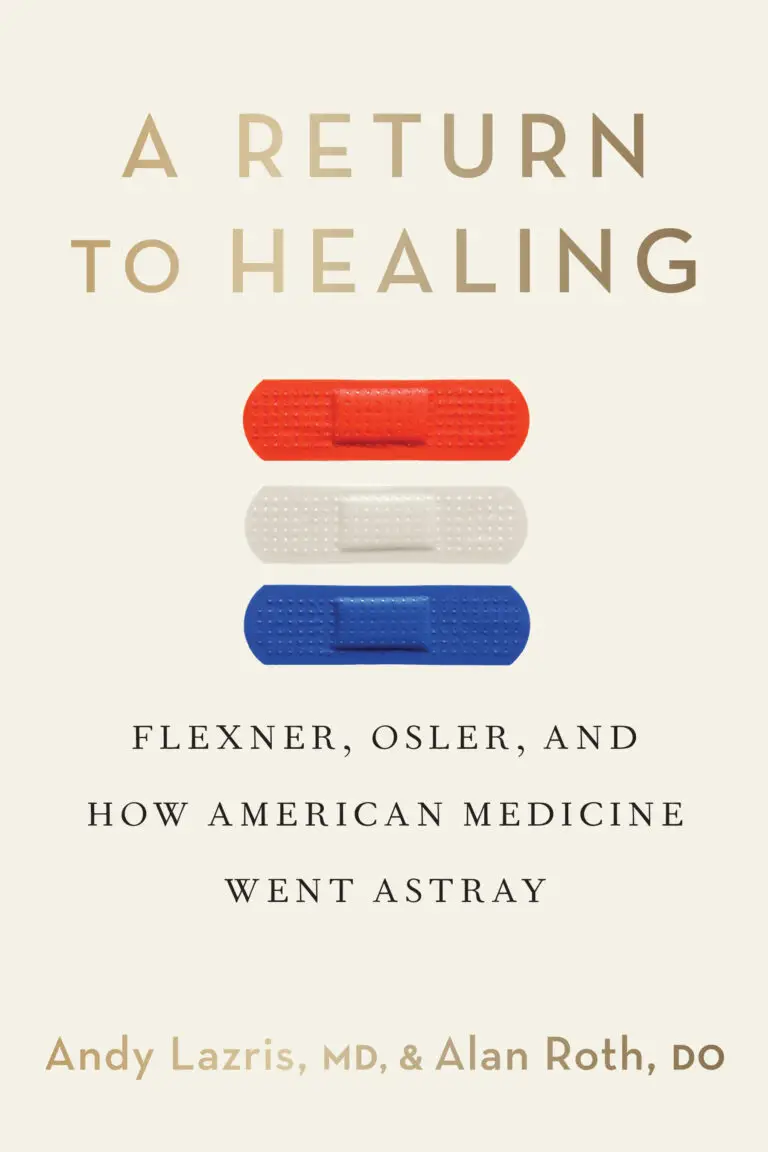
Falls have surged over the past decades. Too often, the cause isn’t “bad balance”—it’s stacked medications and metric-chasing care that ignore what patients actually feel day-to-day. Let’s fix that, one visit at a time.
In this episode of the A Return to Healing Podcast, Dr. Andy Lazris and Dr. Alan Roth tackle the rising problem of falls in older adults — and how primary care can prevent them. From polypharmacy and overmedication to rushed, number-driven prescribing, they explain why relationship-based, patient-first care is the key to reducing falls and keeping patients safe.
TL;DR (Podcast Episode Key Takeaways)
- Polypharmacy is a falls engine. Sedatives, sleep aids, strong blood-pressure regimens, and “mental” drugs commonly tip older adults into dizziness and injuries.
- Relative numbers sell; absolute numbers heal. We should translate “20% reduction” headlines into real-world “out of 100” changes that matter to the patient.
- Primary care > procedure churn. Systems that fund and protect primary care deliver better outcomes and saner prescribing.
- Lifestyle beats pill-for-every-number. The rest of the world invests in movement, food, sleep, and community; we default to drugs. (ARTH on lifestyle & “pebbles vs boulders.” )
Watch ARTH Podcast Episode 38
Get the full story in our latest episode—watch now, and don’t forget to subscribe to our YouTube channel for more insight and honest conversation.
This episode opens with a seasonal pun—falls in the fall—but the trend is no joke. We’ve seen a significant rise in falls across the U.S., and in clinic after clinic, I find the pattern is familiar: too many medicines chasing perfect numbers, not enough attention to dizziness, hydration, gait, home hazards, or what a patient actually wants from care. In A Return to Healing, we show how number-driven habits—screen first, medicate second—create overtreatment and avoidable harm. Today’s conversation puts that into practice at the bedside.
Episode Notes (with Timestamps)
00:00 — Why are falls rising?
We kick off with the uncomfortable truth: falls have increased for decades. A big driver is polypharmacy—especially sedatives/sleep drugs, anticholinergics, strong antihypertensives, and multi-drug “mental health” regimens in older adults. The fix starts with history, home, and meds, not another test.
Checklist you can use this week
- Ask: new dizziness, near-falls, morning fog, lightheadedness?
- Flag meds: sleep aids, benzos, anticholinergics, high-dose BP regimens, poly-SSRI/SNRI stacks.
- Start a trial de-intensification with a safety-net and follow-up.
06:00 — The “number-fixing epidemic”
We frame how relative risk headlines can push drugs that barely change day-to-day outcomes—while increasing fall risk. Translate benefits into absolute differences (out of 100) and balance against absolute harms. (ARTH shows how relative vs absolute figures warp perception. )
Example pattern (patient-ready)
Over 1 year: without the drug 10 in 100 fall; with the drug 8 in 100 fall. That’s ARR 2/100, RRR 20%, NNT ≈ 50—and the drug adds dizziness in 3/100 (NNH ≈ 33).
Still worth it for you?
10:00 — Primary care is the leverage point
We talk about how health systems that invest in continuity, access, and relationships get better outcomes with fewer side-effects and less overuse. That’s where deprescribing and fall prevention actually happen. (Evidence base summarized in ARTH: Starfield & “Shared Principles of Primary Care.” )
One-liner to use on rounds:
“What improves this patient’s next 90 days?” If the answer is “fewer dizzy spells,” your plan should match.
18:40 — “Mental” drugs & night meds
Toward the end, we dig into psychoactive medications and nighttime sedatives: doubling-up, residual morning effects, and how to trade lower-value chronic meds (e.g., marginal-benefit statins in the very old) for real improvements in steadiness and quality of life—done with shared decision-making and teach-back.
What to do Monday Morning (Clinician + Patient)
Clinicians
- Meds first, not tests: Reconcile and prune. Aim to remove 1 fall-risk drug; set a follow-up.
- Translate stats: Always give absolute numbers “out of 100,” plus a timeframe.
- SDM + teach-back: Confirm the plan in the patient’s words; document a safety-net. (See ARTH on SDM. )
Patients & Families
- Bring your med list (including OTCs/supplements).
- Ask: “Which one or two pills might be making me unsteady?”
- Prefer one change at a time and a clear check-in date.
Further reading from A Return to Healing
The full story (the numbers, the case examples, the history) lives in A Return to Healing. Here are three themes from the book that connect directly to today’s discussion. Each one shows why absolute numbers, careful screening, and strong primary care are central to safer, saner medicine.
How relative numbers mislead (why we prefer absolute differences)
In A Return to Healing, we show how the same result can sound wildly different depending on the math you choose. A “20% risk reduction” headline sounds dramatic—but in absolute terms, it may only mean 2 fewer people out of 100 benefit over a year. Relative numbers exaggerate; absolute numbers clarify. When patients see the real difference “out of 100,” decisions suddenly look very different. That’s why we argue for translating every claim into plain absolute effects with a timeframe before prescribing or screening.
Screening: small absolute benefits, real harms (example: lung CT)
The book devotes an entire chapter to screening programs, and lung cancer CT scans are a prime example. The National Lung Screening Trial showed a modest relative reduction in lung cancer deaths—but the absolute benefit was tiny, and the harms were large: radiation exposure, false positives, invasive biopsies, and anxiety. This story illustrates how chasing numbers can create cascades of harm. In ARTH, we outline why screening needs to be judged by patient-relevant outcomes and honest trade-offs, not by percentages that hide the small absolute gains.
Why primary care improves outcomes (continuity & whole-person focus)
We also highlight the overwhelming evidence that strong primary care systems deliver better outcomes, lower costs, and greater patient satisfaction than specialty-driven ones. Primary care physicians know the whole patient, can weigh risks against daily life, and are uniquely positioned to deprescribe and prevent falls. In A Return to Healing, we argue that protecting and expanding primary care isn’t just nostalgic—it’s the most evidence-based reform we can make. Continuity, access, and relationships are the real levers of safer, saner medicine.
Why Absolute Numbers Matter in Data-Driven Medicine
Falls aren’t inevitable with age—but stacked meds and metric-chasing care make them more likely. When we put function first, translate stats honestly, and use primary care continuity to deprescribe safely, we lower real-world risk and keep people steady.