New Cholesterol Guidelines Explained: What Changed, and Why
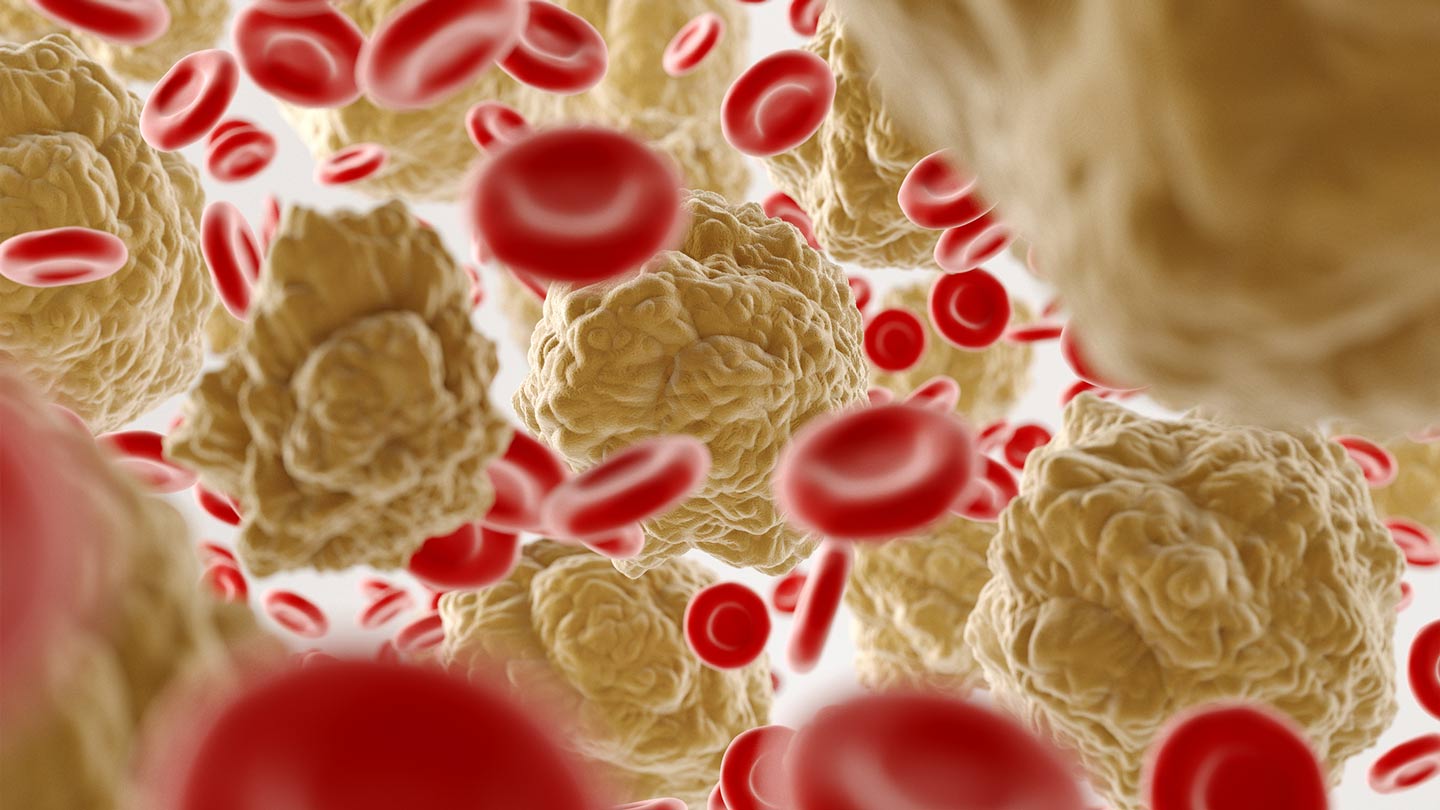
The new cholesterol guidelines are being sold as a simple upgrade in prevention. Lower LDL, fewer heart attacks, longer life. That is the pitch. But
For over three decades, Dr. Lazris has cared for mid-life and older adults while leading medical teams in long-term care. He earned his history degree at Brown University, completed medical training at Albert Einstein College of Medicine and the University of Virginia, and holds a CMD credential. He also maintains certification as a wound specialist (CWSP).
His writing and public talks focus on helping patients and clinicians make sense of risk, benefits, and trade-offs—replacing complexity and over-medicalization with clear communication and shared decisions. He’s been recognized locally as a “Top Doc” and “America’s Most Honored Doc.”
Dr. Lazris believes the best medicine starts with conversation: understanding a person’s goals, clarifying probabilities in plain language, and resisting unnecessary interventions that don’t improve quality of life—especially for older adults.
On this site, Dr. Lazris writes about: over-diagnosis and over-treatment, the limits of guideline-driven care, how to communicate risk so patients can choose confidently, and practical fixes that center people—not systems.
Content on this site is for general education. It is not a substitute for personalized medical advice, diagnosis, or treatment.

The new cholesterol guidelines are being sold as a simple upgrade in prevention. Lower LDL, fewer heart attacks, longer life. That is the pitch. But

The prediabetes diagnosis is everywhere right now—on lab reports, in clinic checklists, and increasingly in fear-driven messaging that suggests you’re one step away from disaster.
Click the button below to download your free sample chapter of A Return to Healing, out in bookstores and online March 25, 2025.