If you are over 70 and your cardiologist is chasing LDL under 70, you have probably been told it is lifesaving. Maybe you have even been warned that if your LDL is 71 instead of 69, you need “the next drug.” That is not a medical conversation. That is a target chase.
In this episode of the Return to Healing Podcast, Alan and I unpack what is rarely said out loud: the evidence for pushing LDL lower and lower in older adults is not as clean as the confidence suggests. Meanwhile, the side effects are real, the medication escalator keeps moving, and studies often rely on “events” that sound dramatic but do not reliably translate into living longer.
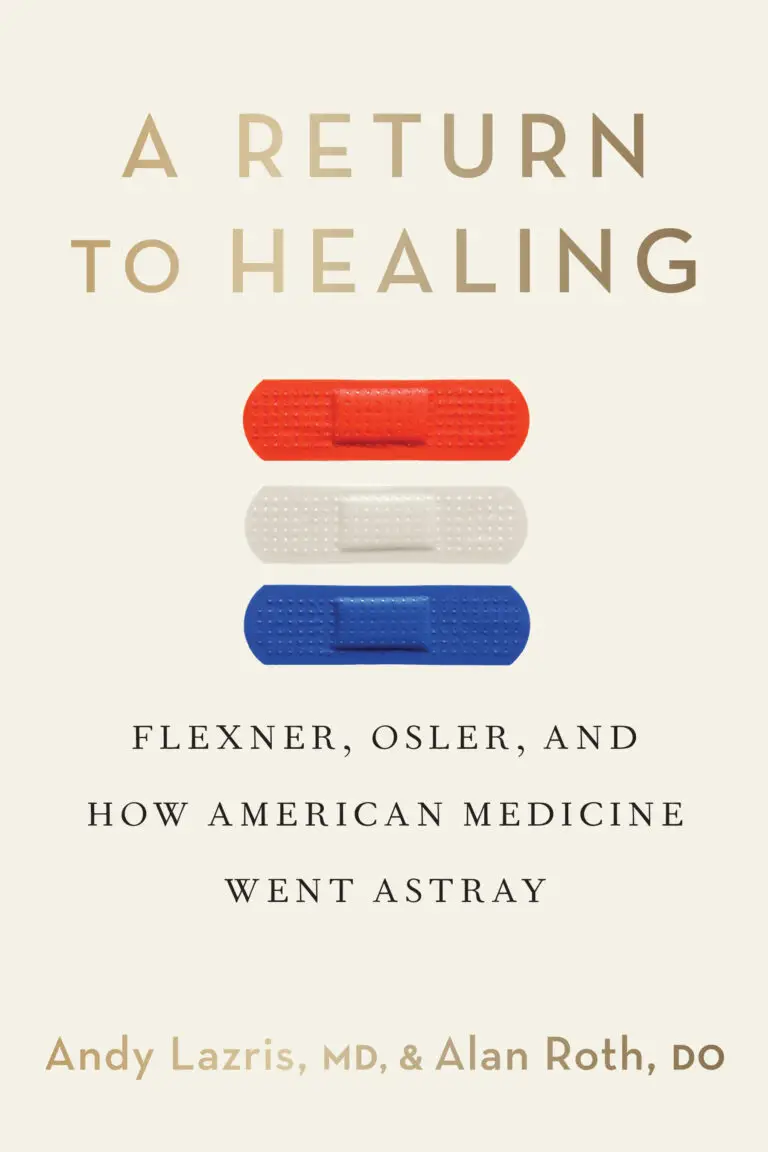
This also connects directly to the framework in A Return to Healing. A big theme of the book is numerical epidemics. We measure a number, we obsess over a number, and then we treat the number as if it is the person.
Watch the Podcast Episode
If you want more patient-first medicine that does not confuse targets with outcomes, subscribe to the Return to Healing YouTube channel.
Why LDL under 70 becomes a trap after 70
One of my patients made an appointment just to talk before seeing his cardiologist. His LDL was 80, and he was told that if it was not below 70, the cardiologist planned to add another drug. When it came back 71, the plan was still escalation. That is how rigid this has become.
The first thing to understand is this: LDL is not a moral score. It is one piece of information. The bigger question is what outcome you are trying to change, and whether the tool you are using actually changes that outcome in someone your age.
Older adults are not “older adults.” A strong 72-year-old who hikes, lifts weights, eats well, and sleeps well is not the same as an 87-year-old with frailty, falls, and medication burden. When guidelines and cardiology culture treat them the same, patients pay the price.
LDL cholesterol in older adults is not the same story as LDL in midlife
In the episode, we talk about a set of studies that found something awkward: in many cohorts over age 60, higher LDL correlated with longer life. That does not prove LDL is protective, but it does prove the story is not simple. You cannot dismiss 20 out of 22 studies with a one-line explanation and then act as if the science is settled.
Cholesterol is not a useless substance. Your body makes it for a reason. It supports cell membranes, hormones, and brain function. When we pretend “lower is always better” across every age group, we are simplifying biology into a slogan.
This is a good place to remind people that what drives vascular disease is not just a number on a lab printout. Inflammation and injury are the deeper story. We discuss this in the book, including why lowering a number without lowering inflammation can create the illusion of progress.

Evidence for statins in the elderly is thinner than the confidence
Alan and I have looked hard at the statin trials that included older adults, and the uncomfortable reality is that the data for people over 80 is sparse. In the episode, I note that only two studies included people over 80, and both showed no benefit of lowering LDL in that age group.
That does not mean statins never help older adults. It means the decision has to be individualized, and the claims should be humble. When a doctor speaks as if every senior needs to drive LDL into the gutter, that is not evidence. That is ideology.
And we should be honest about what patients report. Fatigue, muscle aches, brain fog, and simply “I feel worse” get brushed off far too easily. The reflex dismissal of side effects is part of how numbers-based medicine survives.
Zetia (ezetimibe) studies sell “events” instead of outcomes
This is one of the most important parts of the episode. We talk about a Japanese study used by podcasters to claim final proof that lowering cholesterol in seniors prevents major events. It was randomized, but it was small, limited to Japanese men around 75–80, and published by the maker of Zetia.
Then you look at the tables instead of the conclusion. The study showed a tiny reduction in non-fatal heart attacks, no reduction in fatal heart attacks, no reduction in stroke, and a reduction in revascularization. Revascularization is stents and bypasses, and those procedures do not reliably save lives in stable people.

Here is the part that should have been front and center. In that study, the Zetia group had about a 1% higher overall mortality, and it was not highlighted the way you would expect.
When a drug lowers a number, produces a tiny change in a soft endpoint, and shows higher all-cause mortality, your first instinct should not be celebration. It should be caution.
This is exactly what we mean by “events can mislead.” You can bundle a lot of small, questionable changes into a composite and make it sound like a huge win. Alan and I call that out directly.
Meta-analyses and pharma-shaped evidence
Meta-analysis is often treated like the final word. In reality, meta-analyses can amplify the bias of the underlying studies, especially when many trials are designed, funded, and written to produce a desired result. Alan says it plainly: every study is designed to get the result people want, and there is no money in studying non-pharmacologic management.
That does not mean “ignore all research.” It means read with adult eyes. Outcomes matter. Mortality matters. Function matters. Frailty matters. A number is not a life.
AI bias is real, and it makes this worse
One of the most practical warnings Alan gives is about AI and search. Medical answers from AI tools can be skewed, and a meaningful percentage can be wrong. He notes that medical AI outputs can be inaccurate at a high rate, and people believe them anyway.
This matters because guideline narratives and pharma narratives already dominate the information ecosystem. AI can unintentionally reinforce that dominance by summarizing the loudest, most mainstream claims while burying nuance, dissent, and uncertainty.
The fix is not paranoia. The fix is checking original sources, reading tables, and asking what outcome changed.

What to ask your doctor if you are being pushed below 70
If your clinician is pressuring you to hit LDL under 70, try this approach. Keep it calm and specific.
• Ask what outcome they believe will change for you, not for a hypothetical population.
• Ask how big the benefit is in absolute terms.
• Ask what they will do if you feel worse on the medication.
• Ask whether their decision is driven by your health or by a target.
If the entire conversation is about the lab value, you are not in a health conversation. You are in a compliance conversation.
This is how we Return to Healing
If you are being pushed to hit LDL under 70 after 70, slow down. Ask what outcome will change for you. Ask how big the benefit is. Ask what the downside is. Your goal is not a perfect lab value. Your goal is a life with strength, clarity, independence, and fewer medical cascades.
→ Watch the episode on YouTube
→ Download the transcript (PDF)
→ Explore our book, A Return to Healing
Vaccines FAQ
Is LDL under 70 necessary for most seniors?
Not automatically. Targets can be useful in specific contexts, but in older adults the evidence is less clear, and the tradeoffs can be larger.
Do statins help people over 80?
The evidence base is limited, and trials including people over 80 are sparse. Decisions should be individualized, and side effects should be taken seriously.
What is Zetia (ezetimibe) and does it reduce mortality?
Zetia lowers LDL. The key question is whether it reduces outcomes patients care about, especially death and disability. In the episode we discuss how a study can emphasize composite endpoints while missing what matters most.
Why do doctors talk about “events” instead of deaths?
Composite endpoints can make small changes look big. They can bundle minor outcomes with major ones and create a dramatic headline.
How do I protect myself from numbers-based medicine?
Ask for absolute benefit, ask what happens if you wait, and focus on outcomes you care about: function, falls, strength, cognition, and quality of life.
Proofread by Dr. Alan Roth
This post was reviewed for medical clarity and balance. The goal is not to ignore cardiovascular risk. The goal is to avoid treating seniors like lab values and to keep decisions anchored to outcomes that matter.