Getting multiple vaccines at once (flu, COVID, RSV, shingles, pneumonia) is being normalized, especially for older adults. For some people, that approach may be reasonable. For others, it may be unnecessary, poorly studied in real-world combinations, or simply a bad fit for their situation. The problem is that our culture has made vaccines feel like a political loyalty test instead of a medical decision.
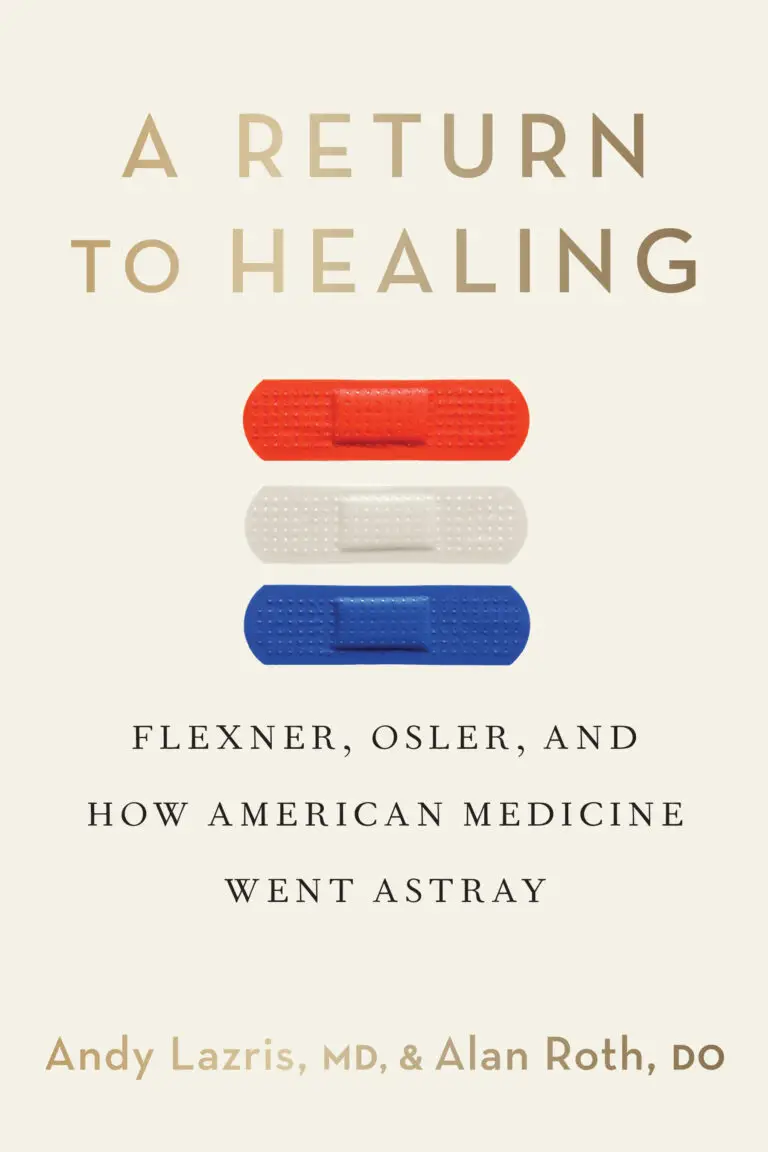
This episode of the Return to Healing podcast sits right in the center of what we argue in A Return to Healing: modern medicine too often replaces judgment with slogans. “More is better.” “Just follow the guideline.” “Don’t ask questions.” That is not patient-first care. Shared decision-making means you can ask about evidence, uncertainty, and tradeoffs without being labeled.
Listen to the Podcast Episode
If you like this kind of patient-first, evidence-forward medicine, subscribe to the Return to Healing YouTube channel and browse the episode library.
The real problem is not vaccines.
It is the loss of nuance
The public conversation has become binary. You are either “pro” or “anti,” and anything short of blind agreement is treated like betrayal. That is a cultural failure, not a medical one.
Medicine is supposed to be about individualized decisions. Age, baseline health, immune status, medication burden, prior reactions, and personal risk tolerance matter. Those are not political concepts. They are clinical reality. When people feel they cannot ask questions, informed consent turns into compliance. That is not how trust is built.
Pneumonia shots and what we mean by “pneumococcal vaccine effectiveness”
In the episode we spend time on the pneumococcal vaccines because they are a perfect example of why simple slogans fail. People talk about the “pneumonia shot” as if it is one thing. It is not.
These vaccines target specific strains. Strain coverage changes as products change. And the germ landscape shifts. That makes the question more complicated than “does it work.” The real question is “for which strains, in which patients, with what expected benefit.”
This is also where marketing sneaks into medicine. The public hears “newer is better.” Clinicians hear “more coverage.” Patients hear “I’ll avoid pneumonia.” Those are not the same promise.

Prevnar 20 vs Capvaxive 21
Most patients do not want a lecture on serotypes. They want a plain-language answer: “Which one should I get, and why?”
The honest answer is that it depends. It depends on age, immunocompromise, underlying lung disease, prior vaccination history, and what you value. For some people, “more coverage” is worth it. For others, the incremental benefit may be small compared with simply focusing on basics like sleep, strength, nutrition, and avoiding frailty.
This is why a one-size-fits-all script is dangerous. It turns an individualized decision into a checkbox.
What happens when we get multiple vaccines at once
The question older adults are being asked more and more is simple: “Can I get all of these today?”
You might be offered flu, COVID booster, RSV, shingles, and pneumococcal in the same season, sometimes the same visit. The intention is often good. Convenience improves uptake. Clinicians want to prevent serious disease.
The uncertainty is also real. Real-world study of multiple combinations in older adults is not always as robust as people assume. The immune system is not a simple switch. Older adults vary widely. A 66-year-old marathoner is not the same as an 86-year-old with frailty and multiple medications.
So the patient-first approach is not “yes to everything” or “no to everything.” It is “which ones matter most for you, right now, and in what sequence.”
Shingrix risks and the tradeoff conversation we rarely have
We talk about shingles vaccination because it illustrates a larger point: risk-benefit discussions in medicine have become taboo. They should not be.

If a vaccine is highly beneficial for many people, it still can have downsides. People deserve to know what those are, especially when discussing serious but rare outcomes. People also deserve to know what their baseline risk is for the disease itself, and what the vaccine changes.
This is where shared decision-making becomes real. It is not just “do you want it.” It is “what do you value, what are you afraid of, and what is your actual risk either way.”
Paxlovid and Tamiflu: marketing versus outcomes
We also discuss antivirals because they live in the same ecosystem. A drug can be heavily promoted, widely prescribed, and still have limited real-world impact for large groups of people.
Paxlovid is a good example of how public understanding can get distorted. Many people believe it is a guaranteed “get out of jail free” card. It is not. For some patients it may reduce risk. For others, the benefit is smaller than implied. Rebound and side effects are part of the conversation, not a footnote.
Tamiflu is the long-running example of how data can be framed. People were sold a story. Later, more complicated evidence discussions emerged, including debates about unpublished data and what outcomes actually improved.
The lesson is not “never take an antiviral.” The lesson is to ask the right question: what outcome did it improve that I actually care about, and how big is the benefit for someone like me.
How to decide without fear
If you are reading this and thinking, “Okay, so what do I actually do,” here is the sane approach.
First, decide what you are trying to prevent this year. Influenza in a high-exposure season is different from shingles risk at a specific age, which is different from pneumococcal disease risk in someone with lung disease. Second, decide what you can tolerate. Side effects, multiple appointments, and uncertainty are all real.
Then ask your clinician to help you sequence. Spacing vaccines can be reasonable for some people. Taking advantage of one visit can be reasonable for others. The key is that the decision should match the person, not the marketing calendar.
This is what patient-first care looks like. It respects evidence, uncertainty, and autonomy at the same time.
This is how we Return to Healing
Getting multiple vaccines at once should not be a loyalty test. It should be a medical decision made with you, not for you.
Watch the episode, download the transcript, and share this with someone who feels pressured into “yes to everything” without a real risk-benefit conversation.
→ Watch the episode on YouTube
→ Download the transcript (PDF)
→ Explore our book, A Return to Healing
Vaccines FAQ
Is it safe to get multiple vaccines at once?
Often, yes. But “safe” is not the only question. People also care about side effects, immune response, and whether the incremental benefit is worth it for their situation. Older adults vary widely.
Should older adults get flu, COVID, RSV, shingles, and pneumonia shots together?
Not automatically. Some people benefit from convenience. Others may prefer spacing, especially if they have frailty, prior reactions, or are already dealing with medication burden.
What is the pneumonia shot?
It usually refers to pneumococcal vaccination. Different products cover different strains, and recommendations vary by age, health status, and prior vaccination history.
Prevnar 20 vs Capvaxive 21, which is better?
It depends on your risk profile and vaccine history. The key is to discuss what coverage matters for you and whether any incremental benefit is meaningful in your context.
What are Shingrix risks?
Most people experience temporary side effects. Rare but serious adverse events are part of the informed consent conversation. A patient-first clinician should discuss both benefits and known risks without dismissiveness.
Does Paxlovid work?
It can benefit some patients, particularly higher-risk groups, but the size of benefit varies. Ask what outcomes improve for your risk profile, and discuss rebound and side effects.
Proofread by Dr. Alan Roth
This post was reviewed for medical clarity and balance. The goal is not to discourage vaccination. The goal is to restore shared decision-making and honest discussion of evidence and uncertainty.