If you want to understand why American healthcare keeps getting more expensive while our outcomes keep lagging, start with one uncomfortable fact. We built a system that rewards specialty intensity, procedures, and downstream treatment far more than it rewards prevention, continuity, and the basic work of keeping people well.
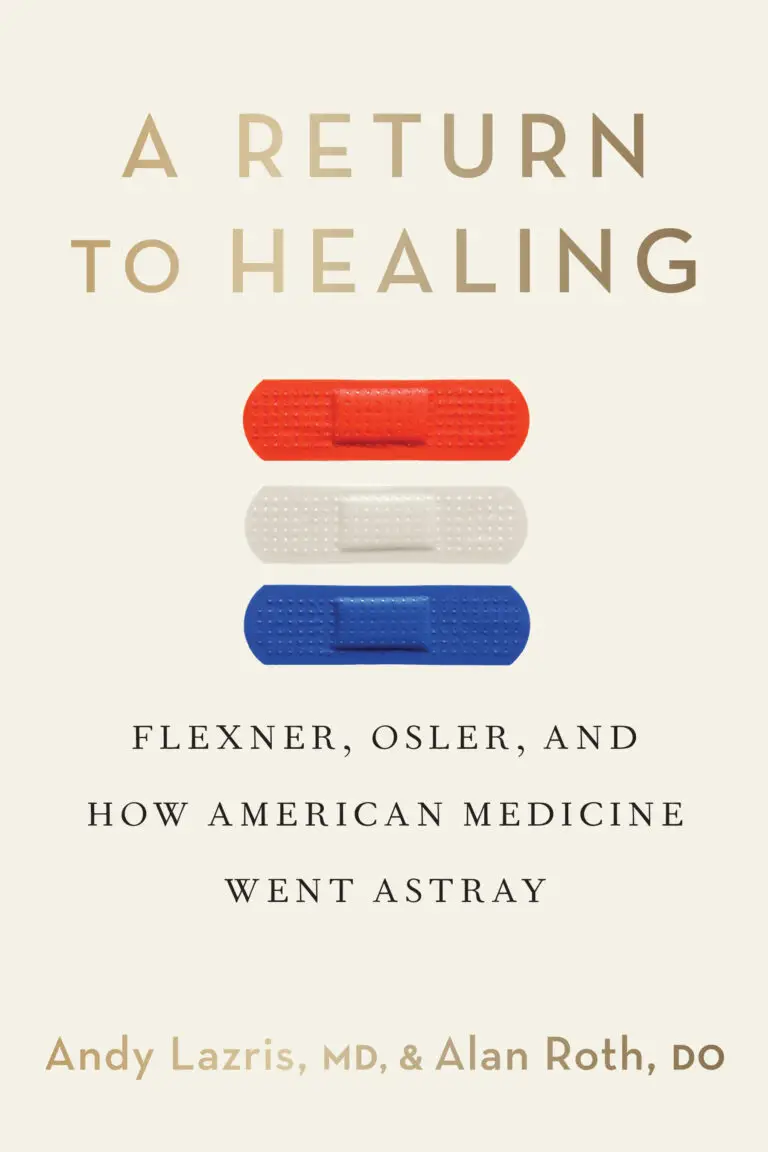
That is the primary care crisis in one sentence. It is not only about appointment wait times. It is about what a society chooses to fund, celebrate, and measure. It is also the thread that runs through our book, A Return to Healing. We argue that relationship-based care is not a sentimental ideal. It is the most practical, evidence-aligned investment a health system can make.
The episode that inspired this blog is a conversation about money, incentives, and what those incentives do to real people. If you live in the United States, you already know the punchline. You just might not have named it.
Watch the episode on YouTube
If you like grounded conversations that focus on outcomes instead of hype, subscribe to the Return to Healing YouTube channel.
The system pays for intensity, not health
A health system is an economy. Economies do what they are paid to do.
In the United States, the highest financial rewards flow toward specialty care and procedures. That reality does not make specialists bad people. It does mean the system will produce more specialty care, more testing, and more intervention, because that is what the system buys.
Primary care is the opposite. Primary care is time, thinking, context, and continuity. It is the willingness to follow a patient for years, learn their baseline, and make decisions that fit their life rather than a template. It is also the place where prevention actually happens. But prevention does not have a billing code that competes with a procedure.
So we end up with a country that has world-class rescue medicine and mediocre population health. That is not a mystery. It is an incentive structure.
COVID did not create disparities. It exposed them
During COVID, people saw the same virus behave very differently across neighborhoods. Some communities could reduce exposure. Others could not. Some people worked from home. Others had to show up in person, use public transit, and live in tighter housing.
That is what public health people mean by “social determinants of health.” It sounds academic, but it is practical. Risk is shaped by housing, employment, transportation, food access, and chronic stress. A hospital cannot fix those problems after the fact, not even with the most advanced equipment.
This is another way of naming the primary care crisis. When people do not have access to stable, local, relationship-based care, the system becomes reactive. It waits for disease to become an emergency, then spends heavily on rescue.
More healthcare is not the same as better healthcare
One of the most important lessons in modern medicine is that more intervention can create more harm. Testing is not neutral. It changes what doctors do. It changes how patients feel. It creates labels, follow-up scans, specialist referrals, and sometimes procedures that carry risk without clear benefit.
The Dartmouth Atlas work is useful because it shows regional variation in spending and intensity. Some regions spend far more than others, often with more specialists and more academic centers. The disturbing part is that higher intensity does not reliably translate into longer life or better quality of life.
A country that pays for intensity will naturally produce intensity. The question is whether that intensity is helping people, or simply keeping the machinery running.
Community health centers are not charity. They are strategy
A functioning society does not treat primary care as a luxury product. It builds it into the fabric of communities.
We talk in the episode about community health centers and what happens when you invest locally. These centers provide consistent access to care in places where the private market tends to under-serve. They also act as a stabilizing force. Patients do not wait until everything becomes urgent. They have somewhere to go.
There is a strange habit in American policy thinking where we treat primary care as optional and specialty care as essential. The evidence points in the opposite direction. Specialty care matters, but it cannot substitute for a foundation.
In practical terms, that foundation looks like this. A clinician who knows you. A place you can be seen before something becomes catastrophic. A system that measures prevention, not just procedures.
The VA is an imperfect example of a better incentive structure
The VA is not perfect. No large system is. But it illustrates a principle that matters.
When incentives shift toward prevention, continuity, and primary-care-led models, the system starts to build different services. You see more emphasis on lifestyle support, rehabilitation, and long-term management rather than endless escalation. You also see more standardization and cost control.
That is why many discussions about reform quietly avoid the primary care solution. It threatens an economy built around specialist revenue. When you build a system that pays well for prevention, the downstream pipeline shrinks.
In other words, primary care is not only a clinical solution. It is an economic disruption.
Primary care should be treated like a public good
If you want a country to have safe roads, you do not rely on private toll roads for everyone. You fund the infrastructure.
Primary care is health infrastructure. It should be treated as a public good because its benefits are widely shared. It reduces emergency visits, hospitalizations, disability, and premature death. It also narrows disparities because it gives people access before disease becomes an emergency.
This does not require hero doctors. It requires sane policy. It requires paying primary care clinicians for time, judgment, and continuity. It requires designing systems that make room for listening.
When you underfund primary care, you do not save money. You delay costs until they become larger and more destructive.
What patients can do inside a broken system
I do not like telling patients they need to “navigate” healthcare like it is a complicated game, but here is what helps.
First, treat primary care as your hub. If your primary care relationship is thin, everything else becomes reactive and fragmented. If you have a clinician who knows you, you have a chance to avoid unnecessary escalations.
Second, when you are referred into specialist loops, ask a simple question. What problem are we solving, and what outcome are we trying to change. That question forces clarity. It also creates space for a reasonable option that many systems forget: watchful waiting.
Third, if you feel the system pushing you toward testing and intervention without explanation, insist on a risk-benefit conversation. You are not being difficult. You are asking for informed consent.
This is how we Return to Healing
If we want American health to improve, we have to stop pretending the solution is more protocols, more screening, and more specialty intensity. The evidence points to a less glamorous foundation: primary care, prevention, and relationship-based continuity.
Watch the episode, download the transcript, and share it with someone who still believes healthcare reform is mainly about better technology rather than better structure.
→ Watch the episode on YouTube
→ Download the transcript (PDF)
→ Explore our book, A Return to Healing
Primary Care FAQ
What is the primary care crisis?
It is the collapse of access to consistent primary care due to underpayment, staffing shortages, burnout, and a system that rewards specialty procedures more than prevention and continuity.
Why is US healthcare so expensive if outcomes are worse?
Because spending is concentrated in high-intensity specialty care and procedures while underinvestment persists in prevention, primary care, and social supports that drive population health.
What are social determinants of health?
They are the real-world conditions that shape risk and outcomes, including housing, food access, work exposure, transportation, income, and chronic stress.
Does more testing lead to better outcomes?
Not reliably. Testing has downsides, including false positives, incidental findings, downstream procedures, and anxiety. More intensity can produce more harm.
What model actually improves outcomes?
Systems that invest in primary care, continuity, prevention, and community-based access tend to do better. They intervene earlier, reduce emergencies, and avoid needless cascades.
Proofread by Dr. Andy Lazris
This post was reviewed for clarity and balance. The goal is not to demonize specialists. The goal is to restore proportionality, invest in what works, and put patients back at the center of care.