(This is a history/education piece. No clinical guidance.)
The flexner report legacy still shapes how clinicians learn: strong science, hospital-first training, and exam culture. A century later, we live with helpful habits—and some that need rethinking. This guide walks through seven Flexner-era habits and shows what to keep (rigor, standards, transparency) and what we should rethink (hospital-only lens, exam-only success, specialty-only prestige, and solo authority).
- Mini-timeline (1910 → today).
- The 7 habits with Keep vs Rethink/Add and three “do-this-week” tips.
The Flexner Report Legacy: 7 Habits in 70 Seconds (and What to Do Instead)
Watch (or listen) as you read, and don’t forget to subscribe to our YouTube channel for more insight and honest conversations.
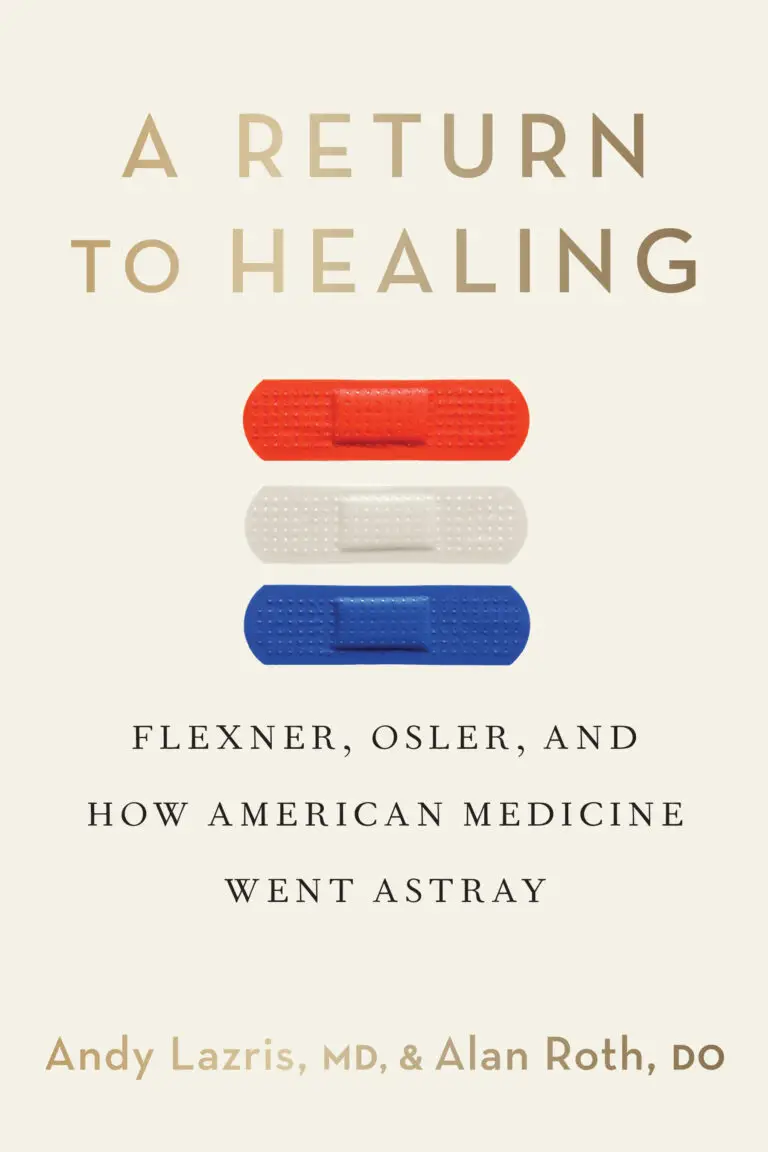
Flexner made training rigorous—great. But some habits still push us toward hospital-first thinking and exams over bedside skills. Seven habits we still live with—and what to keep vs rethink. This week, try three moves: ask for patient-relevant outcomes, do teach-back once per shift with a safety-net plan, and invite an interprofessional one-line recommendation on rounds. Download the 1-page checklist and explore A Return to Healing for the bigger picture.
1) Basic-science-first mindset
Then — Labs, anatomy, and pathology sat at the center of training.
Now — Strong science remains a strength, but lab numbers can overshadow people.
Why it matters: We can chase “normal” labs without improving how a patient feels or functions.
Mini-scenario: Ms. J’s potassium is 3.4. The team debates supplements; her real worry is dizziness walking to the mailbox.
What good looks like (script): “If we raise this number, will you feel better? Today we’ll try hydration, stand-slow tips, and a follow-up check.”
Student move (30s): End every lab talk with: “What patient-relevant outcome does this change today?”
2) The “2+2” split (preclinical → clinical)
Then — Two preclinical years, then two years with patients.
Now — The handoff can be abrupt: book knowledge high, bedside comfort low.
Why it matters: Communication and exam skills are learned with patients, not in slides.
Mini-scenario: Mr. L asks, “Do I have pneumonia?” The team uses jargon; he nods but later misuses the inhaler.
What good looks like (script): “In plain English: your X-ray doesn’t show pneumonia. You have bronchitis—swollen airways. Can you tell me how you’ll use the inhaler at home?” (teach-back)
Student move (30s): Daily Oslerian rep: observe, examine, then tell the story in 60 seconds a non-clinician would understand.
3) Specialty prestige > primary-care continuity
Then — Academic rewards favored specialization and procedures.
Now — Students feel the pull toward high-tech fields; continuity seems less valued.
Why it matters: Continuity (following the same patient over time) prevents ping-pong care and centers goals.
Mini-scenario: Ms. R’s diabetes meds change three times across clinics; no one asks what she can realistically do.
What good looks like (script): “What’s hardest about your plan? If we choose one change for the next 90 days, what fits your life?”
Student move (30s): Ask for a continuity clinic session or call-back task; document: “Follow-up in 4 weeks to review sugars and barriers.”
4) Hospital-centric training
Then — Teaching hospitals were the classroom.
Now — Home realities—transport, costs, caregiver help—are easy to miss from the ward.
Why it matters: A perfect inpatient plan can fail at home.
Mini-scenario: Mr. C goes home with three new meds but no ride, no caregiver, and high fall risk—he’s back in 48 hours.
What good looks like (script): “Before you go, do you have a ride? Who helps at home? Any cost worries? Here’s your safety-net: call if X, return if Y, ED if Z.”
Student move (30s): Add one discharge line: “Safety-net given; ride/caregiver confirmed; pharmacy pick-up plan set.”
5) Exam-driven metrics (tests > bedside)
Then — Boards/MCQs became the yardstick.
Now — Scores still drive curricula; patients need clarity, not acronyms.
Why it matters: Testing recall ≠ patient understanding.
Mini-scenario: After a perfect AFib talk, no one checks if the patient knows bleeding warnings on anticoagulation.
What good looks like (script): “Just to be sure I explained it well, what problems would make you call us right away while on this blood thinner?” (teach-back)
Student move (30s): After any “test-prep” moment, do one teach-back + write one SDM line: “Discussed benefits/harms/alternatives; patient chooses X.”
6) Hierarchy & solo-hero culture
Then — Top-down deference to attendings; limited team training.
Now — Teams are standard—but nursing, pharmacy, and therapy voices still get missed.
Why it matters: Plans improve when every discipline adds one practical point.
Mini-scenario: Nurse notes a near-fall; PT suggests a walker. Neither changes the plan—until a fall at home.
What good looks like (script on rounds): “Nursing—one-line recommendation? Pharmacy? PT?” (listen) “We’re adding a walker and home PT; discharge shifts to tomorrow.”
Student move (30s): Proactively invite one-line recommendations and write them into the plan.
7) Gatekeeping & pipeline effects (equity)
Then — School closures and higher bars narrowed the pipeline, especially for Black physicians.
Now — Representation still lags; language and culture gaps erode trust and access.
Why it matters: Plans miss the mark when we skip language support or assume resources.
Mini-scenario: Ms. T nods through instructions she can’t read; the plan fails.
What good looks like (script): “Would you like an interpreter? What might make this plan hard—cost, rides, time, reading?” (address one barrier now)
Student move (30s): Offer interpreter early; confirm names/pronouns; document one barrier you addressed today.
Keep / Rethink (at-a-glance)
Keep: science rigor
- Anchor decisions in primary sources and pre-registered studies; translate effects into absolute “out of 100” with a timeframe.
- Ask on rounds: “What does the evidence say for someone like this patient?”
- Quick script: “The study suggests 2 in 100 benefit over a year; let’s decide if that fits your goals.”
Keep: high standards
- Use teach-back (“Can you tell me the plan in your words?”) and a safety-net (when to call/return/ED).
- Confirm basics before discharge: ride, caregiver, cost, and pharmacy pickup.
- Document one clear Shared Decision-Making line: benefits, harms, alternatives—including waiting.
Keep: transparency
- Say “I don’t know—yet” and set a follow-up to close the loop.
- Surface conflicts/funding and note uncertainty (wide CIs, short follow-up).
- Log changes/corrections plainly; invite team and patient questions.
Rethink: hospital-only lens
- Add the home reality: access, travel, language, work hours; plans must fit life to work.
- One-liner: “Before you go, do you have what you need at home to do this safely?”
- Build a safety-net and confirm interpreter use early.
Rethink: exam-only success
- Scores matter; understanding matters more. Track whether the patient can use the plan.
- Swap one MCQ moment for a patient explanation moment each shift.
- One-liner: “In plain English… (60-second story) — does that make sense for you?”
Rethink: specialty-only prestige
- Celebrate continuity and prevention wins (fewer meds, fewer bounce-backs, better 90-day function).
- Ask: “What improves this patient’s next 90 days?”
- Route tricky cases to primary care follow-up; don’t default to procedures when watchful waiting is reasonable.
Rethink: solo authority
- Make the plan a team product: invite one-line recs from nursing, pharmacy, PT/OT.
- Bring in the caregiver perspective when relevant.
- One-liner on rounds: “Nursing/pharmacy—one line to improve this plan today?”
Quick glossary
- Teach-back: Patient repeats the plan in their words to confirm understanding.
- SDM (Shared Decision-Making): Discuss benefits, harms, and alternatives (including waiting) and decide together.
- Safety-net plan: Clear “what to watch for,” when to call, when to return, when to go to the ED.
- Oslerian: Bedside-first habits—observe, examine, tell the story plainly.
Bottom Line: Keep the Rigor, Add the Human Work
Flexner’s report legacy gave medicine standards and science. Your job is to balance that with bedside skills, team voices, and real-life continuity outside the hospital. Keep what works and rethink the rest so plans fit the patient, not just the exam.
Do this next
 Download: Flexner → Now Checklist (1-page PDF) — pocket timeline + “Keep/Rethink” guide
 Watch: 7 Habits in 70 Seconds — quick rundown + 3 moves to try this week
 Explore the book: A Return to Healing — learn how incentives, evidence, and patient goals meet in real clinics