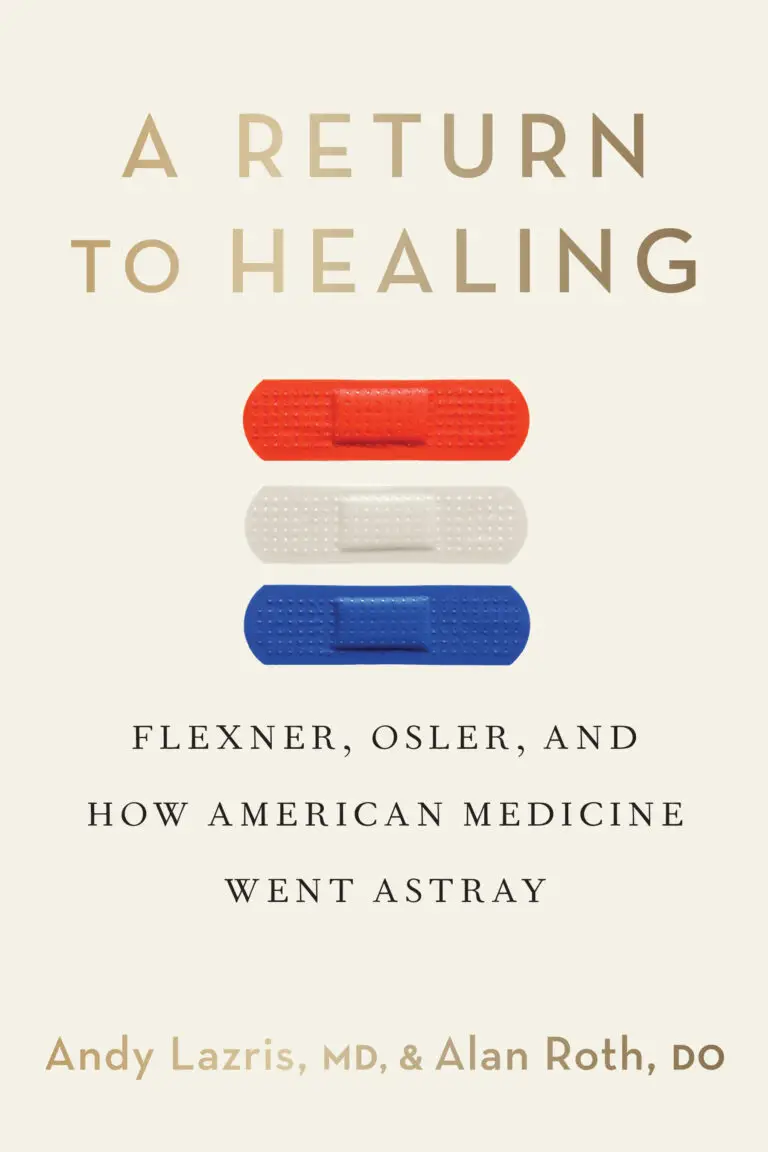
With so much talk about the decline of primary care, is the foundation of American healthcare truly at risk—or more important than ever?
In this episode of the A Return to Healing Podcast, Dr. Andy Lazris and Dr. Alan Roth cut through the noise and explore why relationship-based, patient-first care remains essential for real healing.
Watch the Podcast Episode
Get the full story in our latest episode—watch now, and don’t forget to subscribe to our YouTube channel for more insight and honest conversation.
Why Losing Primary Care Puts Us All at Risk
Primary care is under pressure—from rising administrative burdens and lower pay, to fewer young doctors choosing the field. But as Dr. Lazris and Dr. Roth argue, the loss of primary care would mean much more than just fewer family doctors.
Here’s What’s at Risk Without Strong Primary Care
Continuity and Connection
Long-term doctor-patient relationships help catch health issues early and ensure personalized, whole-person care.
True Advocacy
A trusted primary care physician acts as your healthcare navigator—coordinating care, cutting through red tape, and always putting your needs first.
Prevention and Education
Instead of just reacting to illness, primary care focuses on proactive health—supporting lifestyle changes, education, and early intervention.
Lower Costs, Better Results
Communities with strong primary care have fewer hospitalizations, ER visits, and costly complications—leading to healthier lives and reduced medical expenses.
The Danger of a System Without Primary Care
Without strong primary care, patients get lost in a maze of specialists, repeated tests, and conflicting advice. There’s no one connecting the dots or seeing the whole person, so crucial health issues can be missed and costs rise quickly. For many, this means less trust, more confusion, and worse health outcomes—especially for those with chronic conditions who need coordinated, continuous care.
Most of the time, the solution isn’t another specialist—it’s a doctor who knows your story and can see the big picture.
Dr. Andy Lazris Share
Why Patient-First Medicine Still Works
The answer, as explored in both A Return to Healing and this podcast episode, isn’t about returning to the past—but about reclaiming the best of what primary care can offer: relationships, trust, and a focus on what truly matters to each patient.
TL;DR
Primary care isn’t just “nice to have”—it’s the bedrock of a system that actually keeps people healthy, not just treated. Without it, we risk losing not only continuity and trust, but also the most effective, affordable path to real healing.
FAQ
Q: Why are fewer doctors choosing primary care?
A: Lower pay, higher administrative burden, and less prestige drive many young doctors toward specialties instead.
Q: What makes primary care unique?
A: Primary care doctors focus on whole-person care, long-term relationships, prevention, and advocacy—not just treating symptoms or making referrals.
Q: How does strong primary care benefit patients?
A: Patients have better outcomes, lower costs, and fewer hospitalizations when they have an ongoing relationship with a primary care physician.
Q: What can I do to support primary care?
A: Choose primary care whenever possible, advocate for reforms that strengthen it, and share your story with others and policymakers.
For more honest discussions and real solutions, subscribe to the A Return to Healing YouTube Channel and follow us for future updates.