Healthy skepticism isn’t anti-science—it’s how patients and clinicians avoid being misled by flashy statistics and headlines. Before acting on a claim, convert relative numbers to absolute ones, check whether outcomes are patient-relevant (not just lab surrogates), and ask about benefits, harms, and alternatives—including waiting. Grab our Headline Sanity Check worksheet and bring it to your next visit.
Watch: How to Read a Medical Headline Without Getting Fooled
Two minutes on the three biggest red flags (RRR vs ARR, surrogate endpoints, funding/COI) and what to ask your clinician next.
A fast “news hit” that shows how a “20% reduction” can be just 2 in 100 in absolute terms, why lowering a number isn’t the same as living longer or better, and how to use the worksheet with your clinician.
Watch now, and don’t forget to subscribe to our YouTube channel for more insight and honest conversation.
Five Ways Numbers Can Mislead Non-Experts
We love data. We dislike misinterpretations that push people toward tests or treatments without clear benefit. This guide teaches you how to translate study claims into plain language and make decisions that fit your values.
1) Relative vs absolute risk (RRR vs ARR)
A headline says a treatment “reduces risk by 20%.” If the risk falls from 10 in 100 to 8 in 100, the absolute reduction is 2 in 100. Relative numbers can look big; absolute numbers show how many people benefit.
Evidence Snapshot (example format):
- Over 1 year: Control 10 in 100 → Treatment 8 in 100
- ARR: 2 in 100 (absolute) • RRR: 20% (relative)
- NNT: 50 (treat ~50 people for 1 extra to benefit)
- NNH: (if applicable; e.g., serious side effect increases by 1 in 100 → NNH 100)
Tip: Always include a timeframe. NNT/NNH change with follow-up length and baseline risk.
2) Surrogate outcomes vs outcomes that matter
Lowering a lab value or changing an imaging score isn’t the same as fewer heart attacks, less pain, or better quality of life. Look for patient-relevant outcomes.
3) Composite outcomes & subgroup fishing
Some trials bundle “soft” outcomes with “hard” ones, creating the appearance of larger effects. Post-hoc subgroup wins can be coincidence—they need confirmation.
4) Small studies, short follow-up, wide confidence intervals
If the range of possible effects is wide—or the study ends before meaningful outcomes could occur—treat conclusions as uncertain.
5) Funding and publication bias
Who funded the study? Conflicts don’t automatically invalidate results, but they warrant extra scrutiny and independent replication.
Incentives 101: The System Around the Science
Marketing, guideline pressures, and reimbursement can amplify weak evidence into widespread practice. That’s why shared decision-making (SDM) matters: instead of defaulting to “new,” we ask, “Does this help me enough to justify the trade-offs?”
Your Patient Playbook (Shared Decision-Making)
Bring these three questions (and the worksheet) to any decision about tests, procedures, or medications:
- Benefits: What are they, and how big for someone like me? (Use absolute numbers / ARR and, when available, NNT.)
- Harms/inconveniences: What are they, and how likely for me? (NNH, adverse effects, costs, time.)
- Alternatives—including waiting: What happens if we do nothing now and reassess later?
Mini “Should I…?” box (fill during your visit):
- Helps: ~[ARR in 100] avoid [outcome] over [timeframe]
- Harms: ~[ARI in 100] experience [side effect]
- Options: Treat now | Wait/monitor | Alternative A
Notes: My goals/values: ______________________________
Hypothetical Cases
Hypothetical case #1 — Screening question
A healthy adult is offered a screening test that improves a lab marker. Absolute benefit on patient-relevant outcomes is uncertain over the next 12 months. Together, they choose to wait and re-evaluate when longer-term data arrives, focusing now on lifestyle changes with clear benefit.


Hypothetical case #2 — Elective procedure
A patient with stable, intermittent symptoms is offered an intervention that may relieve discomfort. After reviewing absolute benefit, harms, and the no-procedure path (with medication adjustment and rehab), they opt for a trial of conservative care and reassess in 6 weeks.
*Methods note: These are composite scenarios reflecting common clinic patterns; details are altered to protect privacy.
When to Trust Medical Claims (Stronger Signals)
- Pre-registered trials with published protocols
- Outcomes that matter to patients
- Adequate sample size and follow-up
- Consistent effects with reasonable biology
- Independent replication and high-quality systematic reviews
Bottom line: make the numbers work for you
Numbers should clarify, not push you into a decision. Convert relative claims into absolute “out of 100” over a clear timeframe, look for outcomes that matter (not just lab surrogates), and choose the path that fits your goals—remember, waiting and watching is often a safe, evidence-based option.
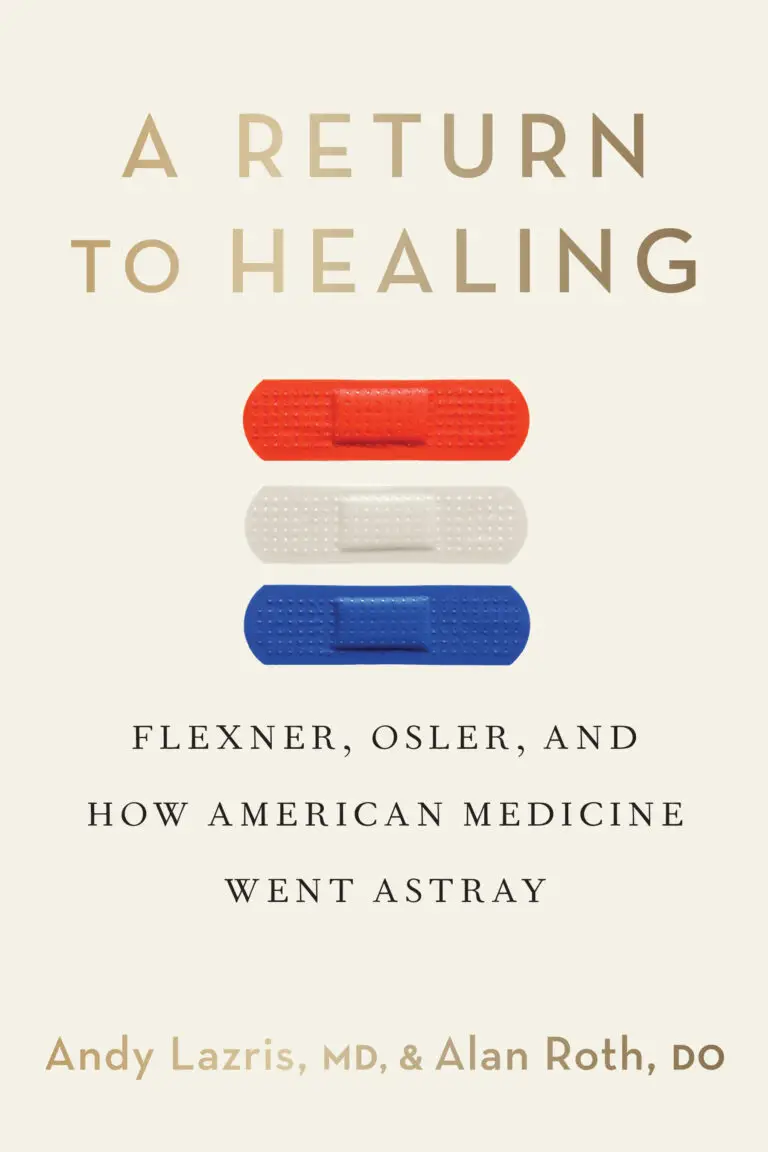
If you want the deeper story behind why this matters, we unpack these habits in A Return to Healing—from shared decision-making to the incentives that turn statistics into sales pitches. Explore the book to see how evidence literacy, patient values, and primary care come together in real-world decisions.
Do this next:
- ⬇️ Download the Headline Sanity Check (PDF) — bring it to your next visit
- 📘 Explore our book, A Return to Healing
Quick glossary (terms used in this blog)
How to read the numbers (3 steps):
- Find the timeframe.
- Compare risks “out of 100” (CER vs EER).
- Use ARR/ARI → NNT/NNH to guide the decision together.
Worked example (1 year):
Control 10/100 → Treatment 8/100 ⇒ ARR 2/100 (RRR 20%); NNT ≈ 50.
Meaning: treat ~50 people for 1 extra person to benefit in 1 year.
Timeframe: The period the result covers (e.g., 1 year). Without a timeframe, a risk number is incomplete.
Baseline risk — Control event rate (CER): Risk “out of 100” without the treatment or with usual care. Example: 10 in 100.
Treated risk — Experimental event rate (EER): Risk “out of 100” with the treatment in the study. Example: 8 in 100.
Absolute risk reduction (ARR): The actual drop in risk “out of 100.”
Formula: ARR = CER − EER. Example: 10 − 8 = 2 in 100.
Absolute risk increase (ARI): When a harm is more common with treatment:
Formula: ARI = EER − CER (for that harm).
Relative risk reduction (RRR): Percent drop relative to starting risk.
Formula: RRR = (CER − EER) ÷ CER × 100%.
Note: Can sound big even when ARR is small.
Number needed to treat (NNT): How many people must be treated for one extra person to benefit within the timeframe.
Formula: NNT = 1 ÷ ARR (use ARR as a decimal; 2/100 = 0.02 → NNT ≈ 50).
Number needed to harm (NNH): How many people must be treated for one extra person to be harmed.
Formula: NNH = 1 ÷ ARI (decimal).
Absolute vs relative numbers: Absolute = people “out of 100.” Relative = percent change from baseline. Prefer absolute for decisions; include both for context.
Patient-relevant outcome: An outcome people can feel or value (e.g., fewer heart attacks, less pain, better function).
Surrogate outcome
A lab or imaging marker that stands in for health (e.g., lower LDL). Helpful but not always linked to what patients feel.
Shared decision-making (SDM): Choosing together after discussing benefits, harms, and alternatives — including waiting — in plain numbers that fit the patient’s goals.
Teach-back: A quick check: the patient explains the plan in their own words to confirm understanding.
Safety-net plan: Clear instructions: what to watch for, when to call, when to return, and when to go to the ER.
Watchful waiting: A monitored “wait and see” option with a follow-up plan — often best when immediate benefits are small or uncertain.